Guangdong Cuisine
Overview
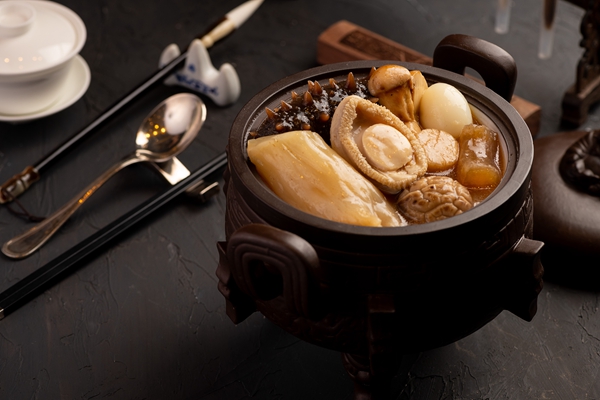
Guangdong cuisine, also widely known as Cantonese cuisine, is one of the most influential and celebrated culinary traditions in China. Known for its fresh, light, and natural taste, Guangdong cuisine emphasizes the quality of ingredients and the artful combination of flavors. Its reputation for subtle seasoning and a wide variety of ingredients has made it popular not only in China but also around the world. Cantonese cuisine is renowned for its extensive use of seafood, poultry, pork, and fresh vegetables, often cooked with techniques like steaming, stir-frying, and roasting to preserve the food's natural flavors.
Historical Background
Guangdong cuisine originates from Guangdong province in southern China, a region with a rich history of trade and cultural exchanges. The culinary practices of Guangdong were shaped by the abundant resources from both land and sea, as well as influences from neighboring regions and foreign traders who brought spices and cooking methods. This eclectic mix of local and international influences contributed to the development of a diverse and sophisticated culinary tradition.
Key Ingredients and Techniques
The hallmark of Guangdong cuisine lies in its emphasis on the freshness and quality of ingredients. Seafood, including fish, shrimp, and shellfish, plays a pivotal role, often sourced from the local waters. Poultry, pork, and vegetables are also central components of the cuisine. Traditional cooking techniques, such as steaming, stir-frying, and braising, are preferred to retain the natural flavors of the ingredients. Seasonings like soy sauce, oyster sauce, and rice wine are used sparingly to enhance rather than overpower the dishes.
A classic Guangdong dish is pork shank, which exemplifies the region's culinary techniques and use of aromatics. Ingredients such as star anise, Sichuan pepper, cinnamon, and bay leaves are used to flavor the pork shank, which is then simmered in a broth seasoned with fish sauce and ginger. The dish is typically served with a garlic vinegar sauce, adding a tangy contrast to the rich pork flavors. The preparation of this dish highlights the precision and care inherent in Cantonese cooking, as well as the cultural significance of using traditional spices and herbs.
Signature Dishes
Some of the most iconic dishes in Guangdong cuisine include dim sum, roast goose, char siu (barbecued pork), and wonton noodles. Dim sum, a variety of bite-sized dishes traditionally served in bamboo steamers, is a quintessential part of Cantonese culture and often enjoyed during tea time. Roast goose is celebrated for its crispy skin and succulent meat, while char siu is known for its sweet and savory glaze. Wonton noodles, featuring delicate dumplings and thin egg noodles in a flavorful broth, showcase the finesse and simplicity of Cantonese cooking.
Modern Influences and Global Reach
In recent years, Guangdong cuisine has evolved to incorporate modern influences and innovative cooking techniques, reflecting the global nature of contemporary gastronomy. Chefs across the world have embraced Cantonese flavors, incorporating them into fusion dishes and fine dining menus. The cuisine's adaptability and appeal have led to its widespread popularity, particularly in places with large Chinese communities, such as Singapore and Vancouver.
Cultural Significance
Guangdong cuisine is not just about taste; it embodies the cultural values of balance, harmony, and respect for nature. Meals are often enjoyed in a communal setting, reflecting the importance of family and social bonds in Cantonese culture. The art of Yue cuisine, as it is also known, is a testament to the culinary heritage and ingenuity of the Guangdong region, offering a gastronomic journey that continues to captivate palates around the world. Article reference1. Contemporary Cantonese. chinadaily.com.cn. 2019Photo Gallery(6 pictures)CategoriesLifestyleTagFood CultureEight Great Cuisines of ChinaRelatedChinese CuisineSweet and Sour PorkCatalogue1. Overview2. Historical Background3. Key Ingredients and Techniques4. Signature Dishes5. Modern Influences and Global Reach6. Cultural Significance- - - []








